
Key Aspects of the Training include:
- Inga Alley Cropping Fundamentals:
Participants learn about the principles of Inga alley cropping, including the role of Inga trees in soil fertility, the benefits of mulching, and how to manage crop production in the alleyways.
- Practical Skills:
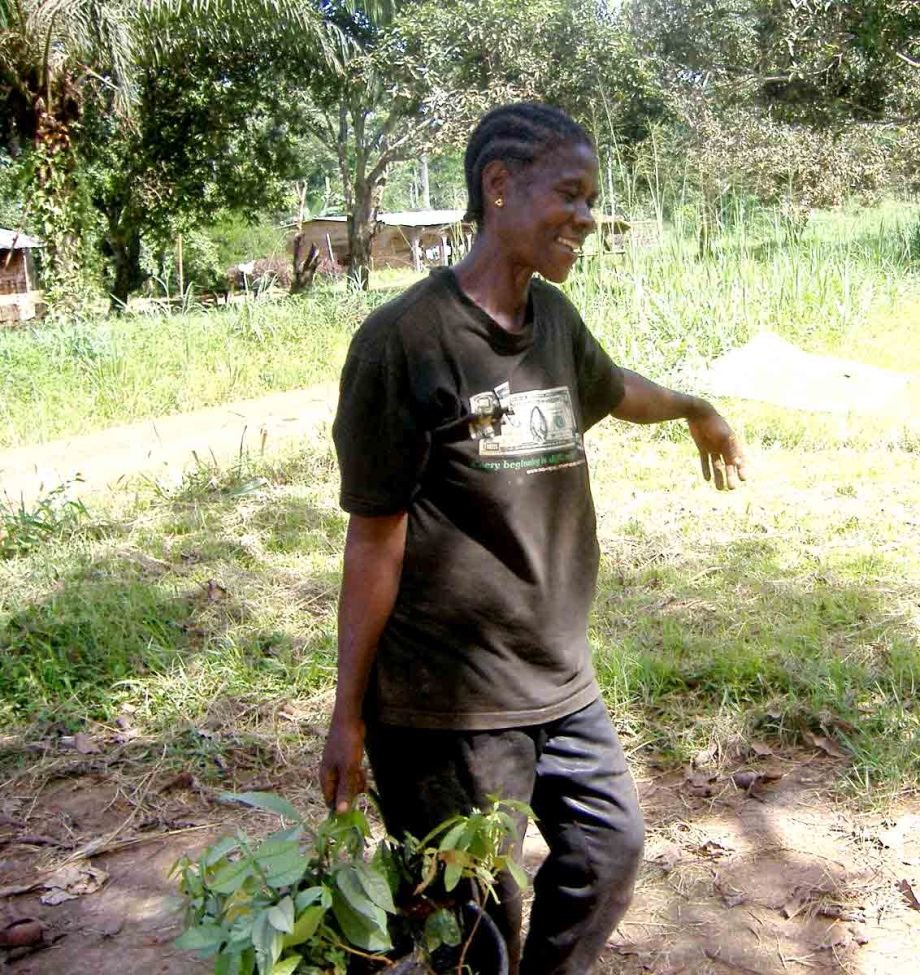
Training includes hands-on experience in planting Inga seedlings, pruning Inga trees, mulching, and managing crops like maize, cassava, or beans within the Inga alleys.
- Crop Management:
Participants learn about appropriate crop choices for Inga alleys, proper spacing and planting techniques, and pest and disease management strategies.
- Financial Management and Marketing:
Some programs incorporate training on record-keeping, budgeting, accessing credit, and marketing their produce.
- Community Engagement:
Training often involves community mobilization and farmer-to-farmer learning to promote adoption and collaboration among women farmers.
Benefits of the Training:
- Increased Production:
Inga alley cropping can lead to higher yields of crops compared to traditional farming methods, providing more food and income for women farmers.
- Improved Soil Health:
Inga trees help to improve soil fertility by fixing nitrogen, reducing erosion, and improving water retention.
- Reduced Deforestation:
By providing fuel wood and other resources within the inga alleys, this system reduces the need to clear forests for farming.
- Empowerment of Women:
Training programs provide women with the knowledge and skills to become more confident and productive farmers, contributing to their economic and social empowerment.
- Sustainability:
Inga alley cropping is a sustainable and regenerative agricultural system that can improve food security and livelihoods while protecting the environment.
Examples of Training Programs:
Inga Alley Cropping
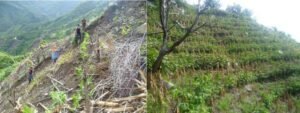
This agroforestry system uses Inga spp., nitrogen-fixing trees, to regenerate the steepest and most degraded land. This system sequesters and avoids emitting tons of carbon while transforming the lives of subsistence farming families.